- English
- Español
- Português
- русский
- Français
- 日本語
- Deutsch
- tiếng Việt
- Italiano
- Nederlands
- ภาษาไทย
- Polski
- 한국어
- Svenska
- magyar
- Malay
- বাংলা ভাষার
- Dansk
- Suomi
- हिन्दी
- Pilipino
- Türkçe
- Gaeilge
- العربية
- Indonesia
- Norsk
- تمل
- český
- ελληνικά
- український
- Javanese
- فارسی
- தமிழ்
- తెలుగు
- नेपाली
- Burmese
- български
- ລາວ
- Latine
- Қазақша
- Euskal
- Azərbaycan
- Slovenský jazyk
- Македонски
- Lietuvos
- Eesti Keel
- Română
- Slovenski
- मराठी
- Srpski језик

Home > Products > Vacuum Circuit Breaker > Indoor Vacuum Circuit Breaker > High Voltage 24KV Disconnecting Vacuum Break Load Switch
High Voltage 24KV Disconnecting Vacuum Break Load Switch
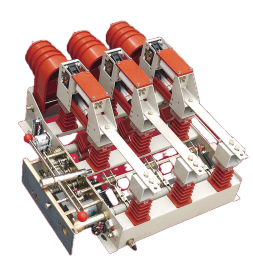
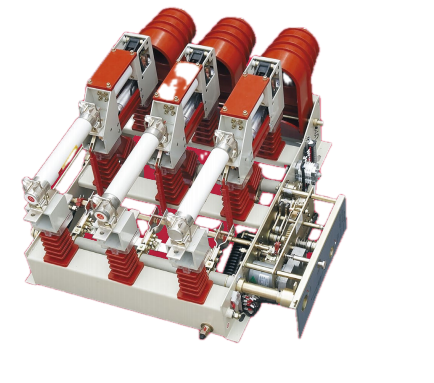
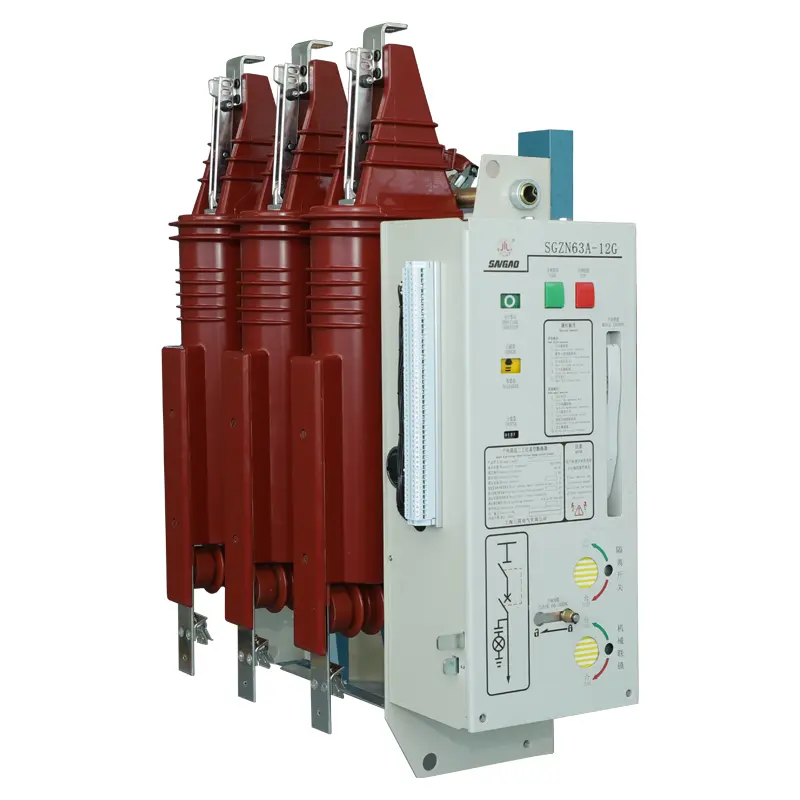
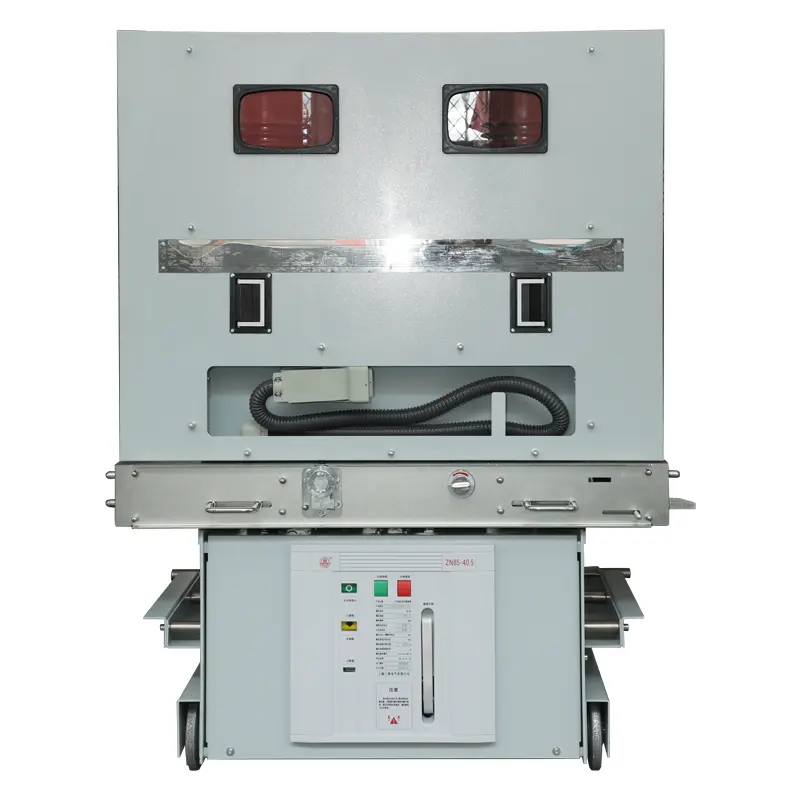
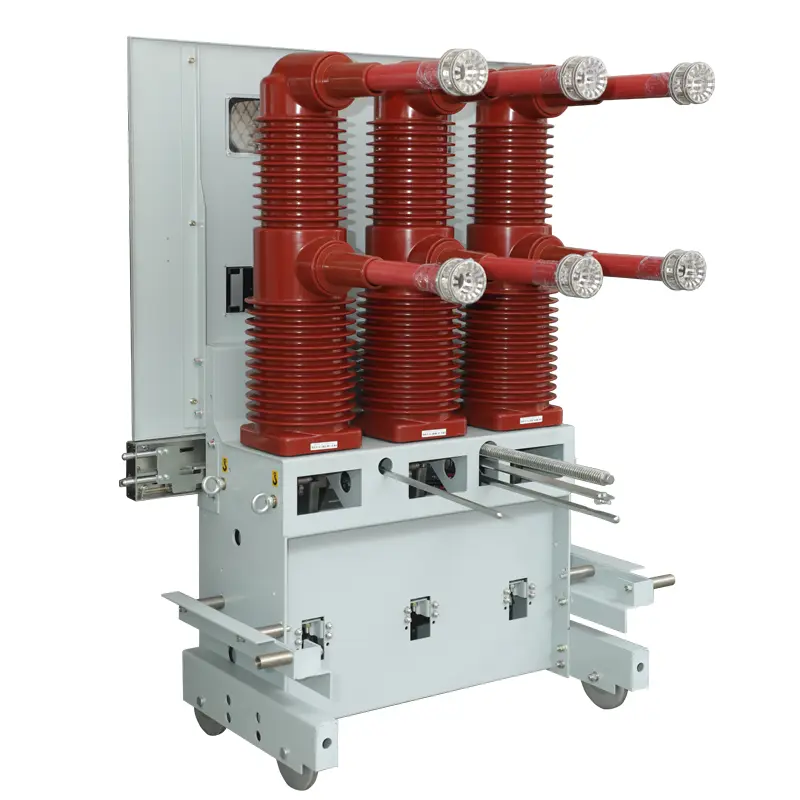
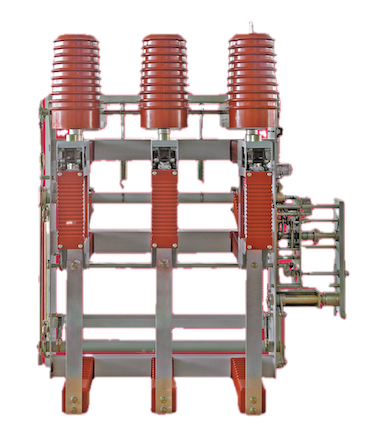
SanGao Electric is a China supplier providing premuim High Valtage 24V Disconnecting Vacuum Break Load Switch. The vacuum load break switch is a medium‑voltage switching device that uses vacuum as the arc‑quenching and insulating medium and can safely and reliably make and break load current under normal circuit conditions. This apparatus is suitable for three‑phase AC 50Hz 24kV distribution systems and is widely used in substations of industrial and mining enterprises, buildings, and looped network distribution systems.
Send Inquiry
Product Description
SanGao High Valtage 24V Disconnecting Vacuum Break Load Switch is a safe, reliable, and economical medium‑voltage switching device that plays an indispensable role in distribution systems. It provides cost‑effective routine load current switching operations and, when combined with fuses, offering an economical protection solution for distribution transformers and other equipment. This High-pressure Vacuum Load Break Switch with Disconnect Switch integrates an isolating disconnector with a vacuum interrupter and the disconnector provides a visible isolating gap, while the vacuum interrupter performs the critical arc‑extinguishing function. A grounding shutter, interlocked with the earthing switch, ensures safety during maintenance.
What's High Valtage 24V Disconnecting Vacuum Break Load Switch?
This Indoor 24V Isolation Electric Vacuum Break Load Switch is a three‑phase AC 50Hz indoor switching device with an integrated earthing switch, designed for 24kV distribution systems. It employs a vacuum interrupter for arc extinction and a spring operating mechanism (manual or electrical). When equipped with current‑limiting fuses, the assembly provides short‑circuit protection up to its rated fault current capability. Rated voltage 24 kV, rated current 630 A, short‑time withstand current 20 kA.Component Breakdown
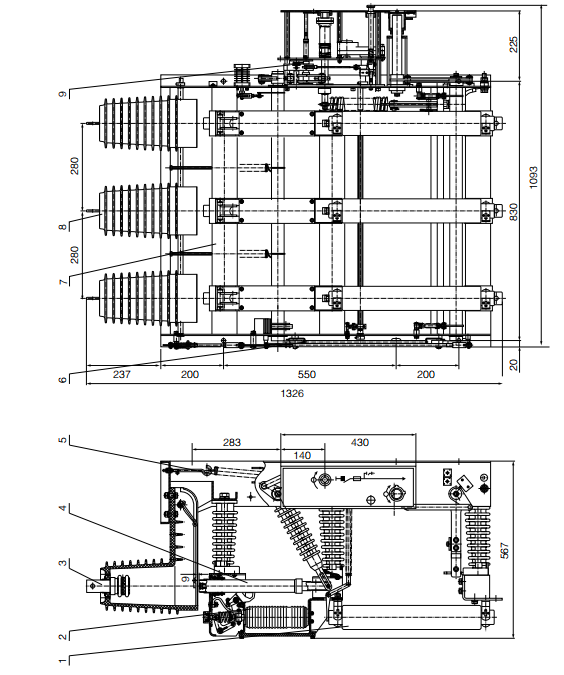
| No. | Component |
|---|---|
| 1 | Fixed contact |
| 2 | Insulating cover |
| 3 | Shutter |
| 4 | Chassis |
| 5 | Vacuum arc‑extinguishing chamber |
| 6 | Guide plate |
| 7 | Fuse |
| 8 | Energy storage shaft |
| 9 | Earth switch shaft |
| 10 | Operation panel |
Working Principle
The High Valtage 24V Disconnecting Vacuum Break Load Switch consists of two main functional components: the isolating disconnector and the vacuum interrupter. The disconnector provides a visible isolating gap in both open and closed positions. The vacuum interrupter is the arc‑quenching element.
1. Closing state
Current flows from the incoming busbar through the isolating disconnector to the outgoing conductor. The circuit is fully conductive, and the vacuum interrupter plays no active role.
2. Opening process
The operating mechanism drives the disconnector upward. During this motion, the current path transfers briefly through the vacuum interrupter. As the disconnector rotates to a specific angle, the contacts inside the interrupter separate rapidly, generating an arc.
3. Arc extinction
Within the high‑vacuum environment of the interrupter, there are virtually no gas molecules for ionization. The metal vapour arc that forms upon contact separation extinguishes at the first natural zero‑crossing of the AC current. The metal vapour condenses on the contact surfaces and shielding, restoring dielectric strength within milliseconds. The disconnector then reaches its fully open position, creating a visible isolating gap.
This sequence ensures reliable current interruption with minimal contact erosion and no external arc‑quenching media.
Vacuum Load Break Switch vs. Vacuum Circuit Breaker
| Aspect | Vacuum Load Break Switch (This Unit) | Vacuum Circuit Breaker (VCB) |
|---|---|---|
| Core function | Makes and breaks normal load current | Makes and breaks both load and fault currents |
| Short‑circuit breaking capacity | Limited (requires fuses for fault interruption) | High (typically 20 kA and above) |
| Protection method | Must be used with fuses for short‑circuit protection | Self‑contained protection, can operate independently |
| Cost | Lower | Higher |
| Typical application | Ring main units, compact substations, transformer protection | Main switchgear in substations, generator protection |
Core Advantages
SF₆‑free technology
Vacuum interruption eliminates greenhouse gas concerns. No gas handling, leak testing, or refilling procedures required.
Long electrical and mechanical life
The High Valtage 24V Disconnecting Vacuum Break Load Switch interrupter contacts experience minimal erosion. The apparatus supports frequent switching operations without performance degradation.
Visible isolating gap
The disconnector provides a clearly visible break, allowing operators to confirm isolation visually.
Compact construction
The integrated design combines disconnector, interrupter, and earthing switch in a single assembly, reducing space requirements in switchgear.
Cost‑effective protection
When paired with fuses, the apparatus provides short‑circuit protection at lower capital cost than a full vacuum circuit breaker.
Safe and non‑hazardous
No oil, no explosion risk, and operation is unaffected by environmental humidity or dust.
Why Trust SanGao?
Manufacturing capability
SanGao operates a 10‑mu (6,667 m²) site in Liushi, Zhejiang, with 10,000 m² of production floor space.
Technical team
120 employees, including 20 mid‑to‑senior level engineers. Registered capital RMB 81.68 million, total assets approximately RMB 200 million.
Certified quality systems
ISO 9001:2008, ISO 14001, and ISO 45001 certifications.
Process traceability
ERP system tracks materials, manufacturing operations, and test records. Each unit is serialized with archived test data.
Routine testing
Every unit undergoes dielectric withstand tests, mechanical operation checks, and contact resistance measurements.
Technical partnerships
Collaborates with Xi'an Senyuan, Beijing Electrical Research Institute, and Xi'an High Voltage Research Institute for type testing and GB/IEC compliance.
FAQ
Q1: What is the difference between this load break switch and a vacuum circuit breaker?
A vacuum circuit breaker interrupts both normal load currents and short‑circuit fault currents. This apparatus handles load current only – for fault protection, it must be paired with fuses. This is not a limitation but a design choice offering lower cost for applications where upstream protection already exists.
Q2: What fuse rating should I select?
Fuse rating depends on the transformer capacity or feeder load. Select per the manufacturer coordination tables – the fuse must carry the normal load current but melt under fault conditions fast enough to protect downstream equipment.
Q3: What does "Z denotes operation on left" mean in the ordering code?
Standard configuration has the operating mechanism on the right side of the apparatus. If your switchgear layout requires left‑hand operation, specify "Z" in the order. Operation on the right is the default and does not require any additional designation.
Q4: Can this High Valtage 24V Disconnecting Vacuum Break Load Switch be installed outdoors?
No – it is an indoor unit designed for installation in metal‑enclosed switchgear and ring main units. Outdoor applications require weatherproof housing or a dedicated outdoor‑rated product.
Q5: Why does the apparatus need a visible isolating gap if the vacuum interrupter already isolates the circuit?
The visible gap is a safety requirement. While the vacuum interrupter provides electrical isolation, the disconnector provides physical, visual confirmation that the circuit is open – essential for maintenance personnel safety.
Contact Information
For technical data, dimensional drawings, fuse coordination tables, or project quotations, contact SanGao Electric.
Email: [email protected]
Tel: +86-13186838172
Whatsapp:8617767163548
Main Technical Parameters
| No. | Item | Unit | SG25-24D/T630-20 | SG25-24DR/125-315 |
|---|---|---|---|---|
| 1 | Depth of conducting tube into fixed contact seat | mm | > 20 | |
| 2 | Opening distance of vacuum arc-extinguishing chamber | mm | 12+1⁰ | |
| 3 | Compression amount of pressure spring of vacuum arc-extinguishing chamber | mm | 2+1⁰ | |
| 4 | Average closing speed of vacuum arc-extinguishing chamber | m/s | 0.6±0.2 | |
| 5 | Average opening speed of vacuum arc-extinguishing chamber | m/s | 1.0±0.2 | |
| 6 | Closing bounce time | ms | ≤ 3 | |
| 7 | Closing and opening synchronism | ms | ≤ 3 | |
| 8 | Circuit resistance | μΩ | ≤ 200 | ≤ 400 |
| 9 | Max torque for manual operation | N·m | ≤ 160 | |
| 10 | Opening time triggered by fuse | ms | — | 30~40 |
| 11 | Opening time triggered by release | ms | 40~50 | |
Data of Energy Storage Motor
| Model | Rated Voltage (V) | Rated Current (A) | Rated Power (W) | Normal Operating Voltage Range |
|---|---|---|---|---|
| ZYJ-220-66-208 | DC220 | 0.7 | 70 | 85% – 110% of rated voltage |
| ZYJ-110-66-208 | DC110 | 1.5 |
Data of Opening Coil
| Item | Rated Voltage (V) | Coil Power (W) | Normal Operating Voltage Range |
|---|---|---|---|
| Opening coil | DC220、DC110 | 550 | 65% – 110% of rated voltage |
Outline and Installation Size
Related Category
Send Inquiry
Please Feel free to give your inquiry in the form below. We will reply you in 24 hours.
Related Products