
- English
- Español
- Português
- русский
- Français
- 日本語
- Deutsch
- tiếng Việt
- Italiano
- Nederlands
- ภาษาไทย
- Polski
- 한국어
- Svenska
- magyar
- Malay
- বাংলা ভাষার
- Dansk
- Suomi
- हिन्दी
- Pilipino
- Türkçe
- Gaeilge
- العربية
- Indonesia
- Norsk
- تمل
- český
- ελληνικά
- український
- Javanese
- فارسی
- தமிழ்
- తెలుగు
- नेपाली
- Burmese
- български
- ລາວ
- Latine
- Қазақша
- Euskal
- Azərbaycan
- Slovenský jazyk
- Македонски
- Lietuvos
- Eesti Keel
- Română
- Slovenski
- मराठी
- Srpski језик

How Can an Outdoor High Voltage Protection Switch Drop-out Fuse Improve Safety in Overhead Power Distribution
Abstract: Reliable fault protection is essential for overhead power distribution systems, especially where transformers, branch lines, and industrial feeders are exposed to overloads, short circuits, wind, rain, and temperature changes. An Outdoor High Voltage Protection Switch Drop-out Fuse provides a practical combination of overcurrent protection and visible mechanical isolation. Designed and manufactured by Sangao, this protection device is engineered for outdoor distribution applications where dependable fault interruption and straightforward maintenance are critical.
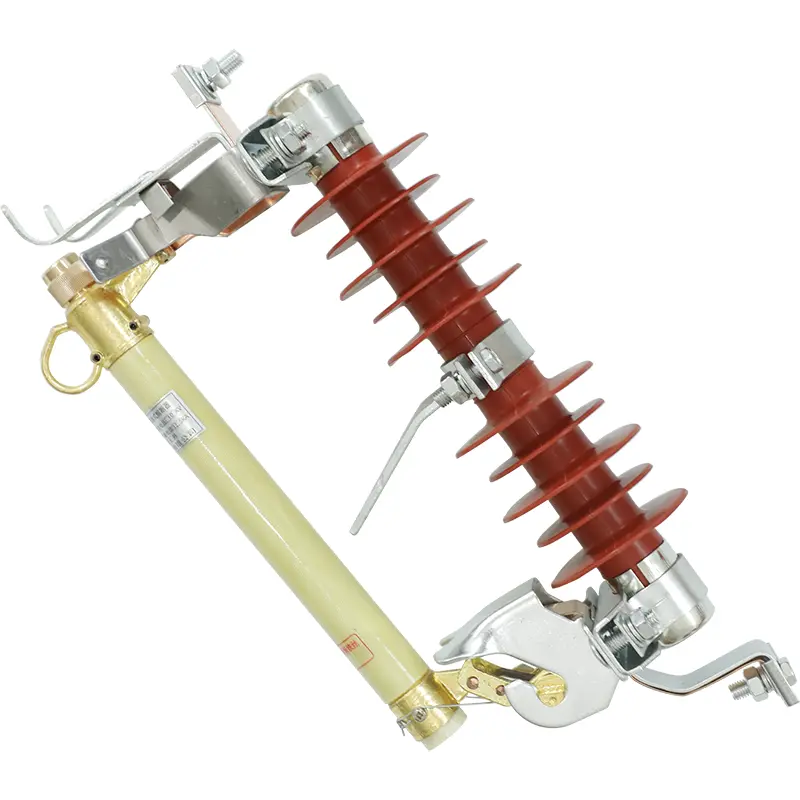
Table of Contents
- Why Is an Outdoor High Voltage Protection Switch Drop-out Fuse Important?
- How Does a Drop-out Fuse Work?
- What Are the Key Features of the Protection Switch?
- What Environmental Conditions Can It Handle?
- Where Is an Outdoor High Voltage Protection Switch Drop-out Fuse Used?
- How Does Quality Control Improve Product Reliability?
- What Should Buyers Consider When Selecting a Drop-out Fuse?
- Frequently Asked Questions
Why Is an Outdoor High Voltage Protection Switch Drop-out Fuse Important?
Overhead distribution networks operate in environments where electrical equipment can be exposed to unpredictable loads, short circuits, storms, strong winds, and other external conditions. A fault that is not isolated quickly can spread through the distribution network and potentially damage transformers, conductors, switches, and other expensive equipment.
An Outdoor High Voltage Protection Switch Drop-out Fuse provides a dedicated protection point for these systems. When excessive current causes the fuse element to melt, the current path is interrupted. At the same time, the fuse assembly mechanically drops away from its contact position, creating a visible air gap.
This combination of electrical interruption and physical isolation offers several practical benefits:
- Protects distribution transformers against damaging overcurrent conditions.
- Helps isolate localized faults on overhead branch lines.
- Provides a clearly visible indication that a fuse has operated.
- Supports faster fault identification and maintenance.
- Uses a comparatively simple mechanical operating principle.
- Provides a practical protection solution for outdoor utility infrastructure.
For electrical contractors and utility procurement teams looking for a high-voltage drop-out fuse supplier, understanding these characteristics is important when evaluating long-term protection performance.
How Does a Drop-out Fuse Work?
The operating principle of a drop-out fuse is straightforward but highly effective. The fuse element carries normal operating current while remaining intact under properly selected electrical conditions. When an overload or fault current exceeds the fuse element's designed operating level, the element melts and interrupts the circuit.
The mechanical drop-out function then becomes especially important. Sangao's design uses a spring-loaded toggle arm and tensioned fuse assembly. Once the fuse element melts, the mechanical tension is released. The fuse unit moves outward and downward, leaving a visible physical separation between the energized contact and the fuse tube.
This creates two important protection outcomes:
- Electrical interruption: The melted fuse element breaks the current path.
- Visible isolation: The fuse tube drops from its operating position, allowing maintenance personnel to identify the operated protection point more easily.
Compared with protection arrangements where a failed fuse may remain physically close to its original contact position, a positive drop-out action can make fault identification more straightforward for utility crews.
What Are the Key Features of the Protection Switch?
A high-quality outdoor protection device must combine electrical functionality with mechanical strength and environmental resistance. The Sangao Outdoor High Voltage Protection Switch Drop-out Fuse incorporates several characteristics intended for overhead distribution environments.
| Feature | Function | Practical Benefit |
|---|---|---|
| Drop-out mechanism | Moves the fuse assembly away from the upper contact after operation | Provides visible physical isolation |
| Fuse element | Melts when excessive current occurs | Interrupts the fault current path |
| Ceramic insulator support | Provides structural insulation | Supports outdoor high-voltage operation |
| Spring-loaded operating structure | Releases mechanical tension after fuse operation | Improves positive drop-off action |
| Heavy-duty terminals | Connect the device to distribution conductors | Supports practical utility installation |
The combination of these features makes the device particularly suitable for applications where protection, visibility, maintainability, and mechanical durability are all important considerations.
What Environmental Conditions Can It Handle?
Outdoor electrical protection equipment must perform reliably despite changing environmental conditions. According to Sangao's published product information, the Outdoor High Voltage Protection Switch Drop-out Fuse is designed around defined environmental operating criteria.
| Parameter | Specified Value |
|---|---|
| Application environment | Overhead distribution systems and utility poles |
| Ambient temperature | -30°C to +40°C |
| Maximum elevation | ≤1000 m; factory adjustment required above 1000 m |
| AC frequency | 48 Hz to 52 Hz |
| Maximum wind speed | ≤35 m/s |
| Seismic intensity | ≤7 degrees |
These parameters are particularly relevant for buyers working on outdoor distribution projects. Before procurement, engineers should always verify the actual site conditions, system voltage, current requirements, installation configuration, altitude, and applicable local electrical standards to ensure that the selected equipment is correctly specified.
Where Is an Outdoor High Voltage Protection Switch Drop-out Fuse Used?
The main advantage of a drop-out fuse is its ability to provide localized overcurrent protection without requiring an excessively complicated protection arrangement. This makes it useful in several overhead distribution scenarios.
Pole-Mounted Transformer Protection
Distribution transformers installed on utility poles require protection against faults on the transformer or downstream circuits. A drop-out fuse can be installed on the high-voltage side to provide a dedicated protection point. If a serious overcurrent condition occurs, the fuse operates and separates the affected transformer from the supply.
Rural and Long-Distance Branch Lines
Long overhead lines can contain multiple branch points and serve geographically dispersed loads. Installing protection at strategic locations helps isolate localized problems rather than allowing every fault to affect a larger section of the network.
Industrial Distribution Feeders
Mining facilities, manufacturing plants, and other industrial sites may use overhead incoming lines to supply substations or distribution equipment. A suitably specified drop-out fuse can provide primary short-circuit and overcurrent protection for these incoming circuits.
Outdoor Utility Infrastructure
Because the device is designed for outdoor installation, it can be considered for utility poles and other exposed distribution locations where protection equipment must withstand environmental stress while remaining accessible for inspection and maintenance.
How Does Quality Control Improve Product Reliability?
Mechanical consistency is particularly important for a drop-out fuse because electrical protection is only one part of its function. The fuse must also operate mechanically as intended after the fuse element melts.
Sangao states that its outdoor switchgear manufacturing follows an ISO9001 quality framework. The production process for this type of protection equipment includes mechanical alignment checks, spring-tension calibration, and continuous current-carrying testing.
For procurement teams, quality control should therefore be evaluated from several perspectives:
- Electrical performance: Confirm that the fuse element and current rating match the intended system.
- Mechanical operation: Verify reliable drop-out action after fuse operation.
- Insulation structure: Check the integrity and durability of insulating components.
- Terminal connection: Ensure suitable conductor compatibility and secure electrical connections.
- Environmental suitability: Match the product's operating conditions with the installation site.
- Production consistency: Choose a manufacturer with established inspection and quality-management procedures.
These considerations help transform a basic component purchase into a complete protection-system decision.
What Should Buyers Consider When Selecting a Drop-out Fuse?
Choosing an Outdoor High Voltage Protection Switch Drop-out Fuse should not be based on price alone. Electrical compatibility and application conditions should be evaluated first.
- System voltage: Confirm the rated voltage required by the overhead distribution network.
- Current rating: Select a fuse element appropriate for the normal load and expected fault conditions.
- Installation environment: Evaluate temperature, wind, altitude, seismic conditions, and exposure to weather.
- Transformer requirements: If used for transformer protection, coordinate the fuse characteristics with transformer capacity and protection requirements.
- Conductor compatibility: Check terminal design and conductor dimensions before installation.
- Maintenance requirements: Consider whether the drop-out mechanism provides sufficient visibility and accessibility for local maintenance teams.
- Manufacturer capability: Evaluate manufacturing experience, quality management, testing procedures, and technical support.
For international buyers searching for a China high-voltage protection equipment manufacturer, Sangao provides a range of high-voltage distribution products covering protection, switching, isolation, and related applications.
Frequently Asked Questions
What is an Outdoor High Voltage Protection Switch Drop-out Fuse?
It is an outdoor high-voltage protection device designed to interrupt excessive current and physically separate the fuse assembly from its contact after the fuse element operates. It is commonly used to protect transformers, branch lines, and overhead distribution equipment.
Why does the fuse tube drop after a fault?
The drop-out action provides a visible physical indication that the fuse has operated. When the fuse element melts, the mechanical tension in the operating assembly is released, allowing the fuse unit to move downward and create an air gap.
Can this fuse be used for pole-mounted transformers?
Yes. Pole-mounted distribution transformers are one of the primary application scenarios for this type of protection device. The fuse can provide overcurrent protection on the high-voltage side when correctly selected and coordinated with the transformer and distribution system.
What outdoor conditions is the Sangao fuse designed for?
The published specifications indicate an ambient operating temperature of -30°C to +40°C, a maximum wind speed of 35 m/s, and suitability for installations up to 1000 m elevation without factory adjustment. Projects outside these conditions should be evaluated with the manufacturer before procurement.
Why is visible isolation useful for maintenance?
After the fuse operates, the fuse tube drops away from its normal contact position. This creates a visible physical air break that can help maintenance personnel identify the operated protection point during troubleshooting and system restoration.
How should buyers choose a suitable model?
Buyers should evaluate system voltage, rated current, fault conditions, transformer capacity where applicable, conductor connections, environmental conditions, installation altitude, and applicable local standards. Technical confirmation with the manufacturer is recommended before final selection.
Conclusion
An Outdoor High Voltage Protection Switch Drop-out Fuse is more than a simple fuse element: it combines overcurrent interruption, mechanical drop-out isolation, visible fault indication, and outdoor structural protection in one practical solution. For overhead distribution networks, pole-mounted transformers, rural branch lines, and industrial feeders, selecting a properly engineered device can help improve equipment protection and simplify fault maintenance. With established manufacturing capabilities and quality-control procedures, Sangao can support customers seeking dependable high-voltage distribution protection equipment. If you are planning a new power distribution project or need a suitable solution for your existing network, contact us to discuss your application requirements, technical specifications, and procurement needs.